
In recent years visibility has become a top priority in workplace safety and athletic apparel design. From construction crews working on busy highways to runners training before sunrise, being seen in low light is no longer optional. As a result reflective heat transfer labels have become popular across industries that use high visibility garments.
While reflective striping has been used in uniforms and outerwear for years, newer heat transfer technologies have opened up where and how reflective elements can be applied. Instead of relying on bulky sewn on tape, manufacturers and decorators can now apply reflective graphics, logos and labelling directly into garments using heat applied materials. This has given us improved comfort, flexibility and design precision.
Why Reflectivity Matters
In safety focused industries like construction, utilities, warehousing and emergency services visibility can directly impact accident prevention. Workers operating near moving vehicles or heavy equipment need to be visible in various lighting conditions, fog, rain and nighttime environments. Reflective materials work by returning light back to its source, making the wearer more visible when illuminated by headlights or flashlights.
Sportswear has followed a similar path. Recreational runners, cyclists and outdoor athletes train more and more in the early morning or evening when natural light is limited. Reflective logos and accents add an extra layer of visibility without changing the design or comfort of the garment.
How Reflective Heat Transfer Labels Work
Reflective heat transfer labels are made with micro glass beads or prismatic elements embedded in a special film. When light hits the surface these components reflect it back to the source. The material is cut into shapes, lettering or logos and then applied to fabric using controlled heat and pressure. This process is typically performed using a Manual Heat Press to ensure consistent temperature and pressure during application.
Unlike stitched patches or woven reflective tape, heat transfer labels sit smoothly against the fabric. This reduces bulk and allows the garment to move with the fabric. The result is a clean finish that can stretch and move with the fabric, especially important in performance wear.
Modern heat transfer processes also allow for detailed designs, small typography, intricate branding elements and custom shapes. This precision means reflective elements can be used across different garment types, from high visibility vests to fitted athletic apparel.
In more advanced production environments, reflective elements can also complement DTF Heat Transfer workflows for detailed and scalable garment decoration.
Meeting Safety Standards
In regulated industries reflective components often need to comply with established safety standards for high visibility apparel. These standards define placement, coverage area and brightness requirements. Heat transfer technology has evolved to meet these technical criteria while still allowing manufacturers to maintain brand consistency. Because reflective labels can be applied in specific patterns and measured placements they support consistent production runs. This consistency helps manufacturers meet both aesthetic and regulatory requirements without compromising garment integrity.
Comfort and Performance Benefits
One of the reasons reflective heat transfer labels have become popular is comfort. Traditional reflective tape can be stiff especially in cold conditions. Heat applied reflective transfers are generally thinner and more flexible so garments can retain their natural drape and stretch.
For athletic wear this matters. Lightweight fabrics designed for moisture management and breathability perform best when additional elements don’t interfere with airflow or movement. Reflective transfers can be placed on sleeves, backs or hems without adding significant weight. When working with moisture-wicking or performance materials, decorators often rely on precision equipment like a Sublimation Heat Press to ensure accurate temperature and pressure control.
In workwear reduced bulk can also improve range of motion. Garments that bend and flex easily help workers move more naturally throughout their day.
Expanding Design Possibilities
Another reason for adoption is design versatility. Reflective materials are no longer limited to silver or gray. Advances in manufacturing have introduced colored reflective options and layered finishes that combine standard ink colors with reflective effects.
This means safety apparel and sportswear can maintain a cohesive visual identity during the day and be more visible at night. Logos may appear matte in normal light but illuminate brightly when exposed to direct light.
For brands and uniform providers this dual function is attractive. Garments can look professional and understated in regular environments while still being high visibility when needed.
The Future of Reflective Transfers
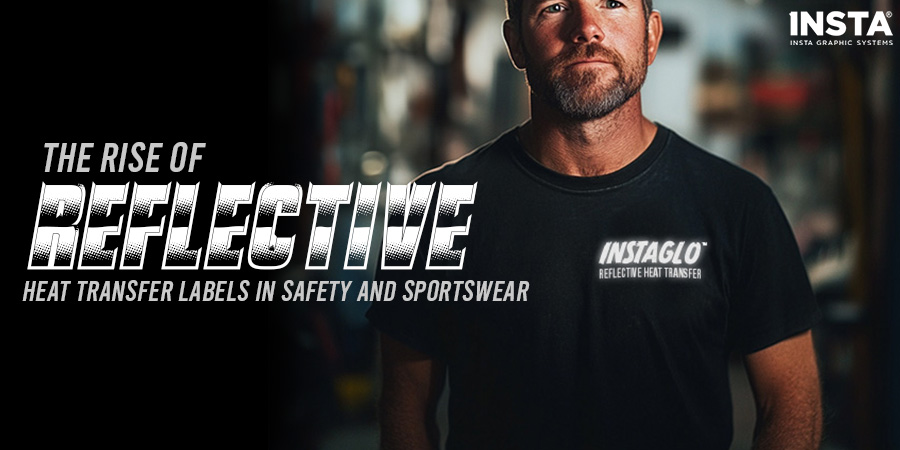
As reflective heat transfer technology continues to evolve, Insta Graphic Systems offers advanced solutions designed to expand what’s possible in high-visibility decoration. One of these innovations, InstaGlo Reflective from Insta Graphic Systems, is engineered to deliver enhanced visibility while maintaining the flexibility and precision of modern heat-applied graphics.

As industries focus on safety and performance reflective heat transfer labels will become more common. Ongoing improvements in film durability, wash resistance and stretch recovery are opening up use across a wider range of fabrics including technical knits and blended materials.
At the same time demand for customization is growing. Organizations want apparel that meets safety requirements and reflects their identity. Heat transfer methods provide a practical way to integrate reflective elements without compromising garment comfort or design.
The rise of reflective heat transfer labels is part of a broader trend in apparel production: combining functionality with precision application techniques. Whether used in protective workwear or high performance sportswear these materials support a simple but critical goal, helping people be visible in environments where visibility matters most.